
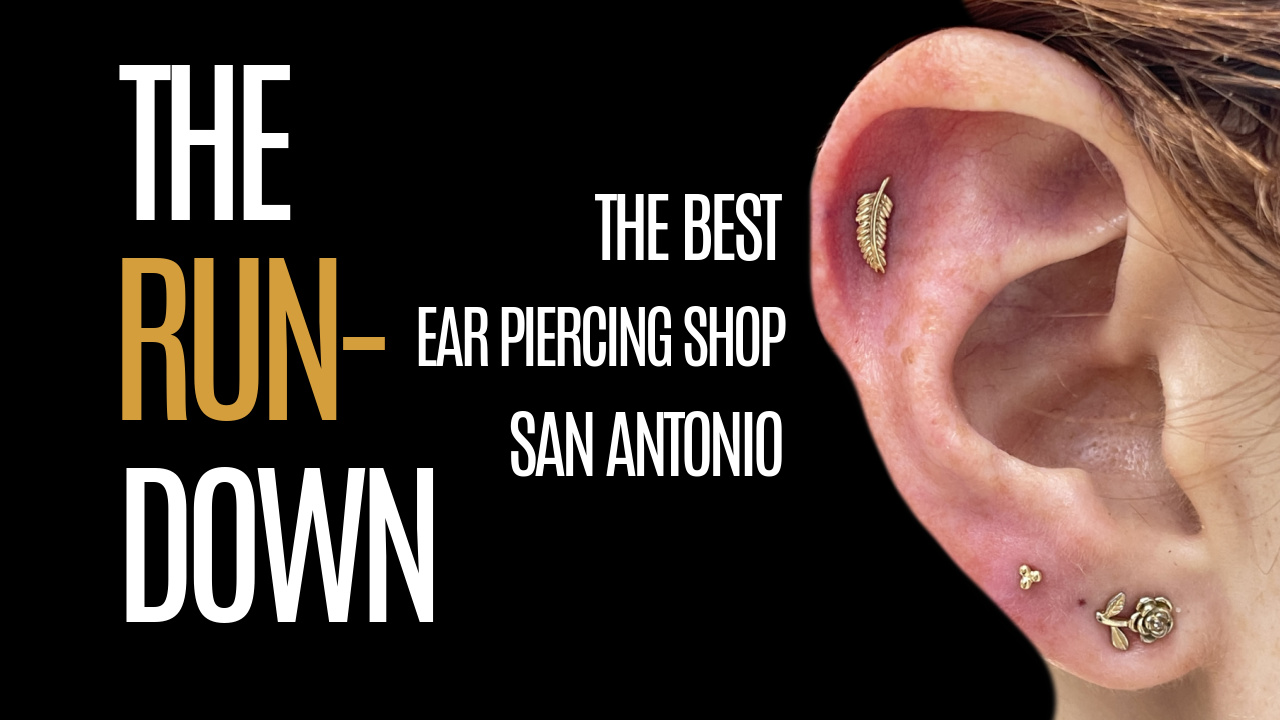
If you’re searching for the best ear piercing shop in San Antonio, you’re not just looking for a quick poke — you’re looking for clean standards, expert placement, and jewelry that heals right. This guide answers the “ear piercing near me” questions with real aftercare, real timelines, and real professional insight.

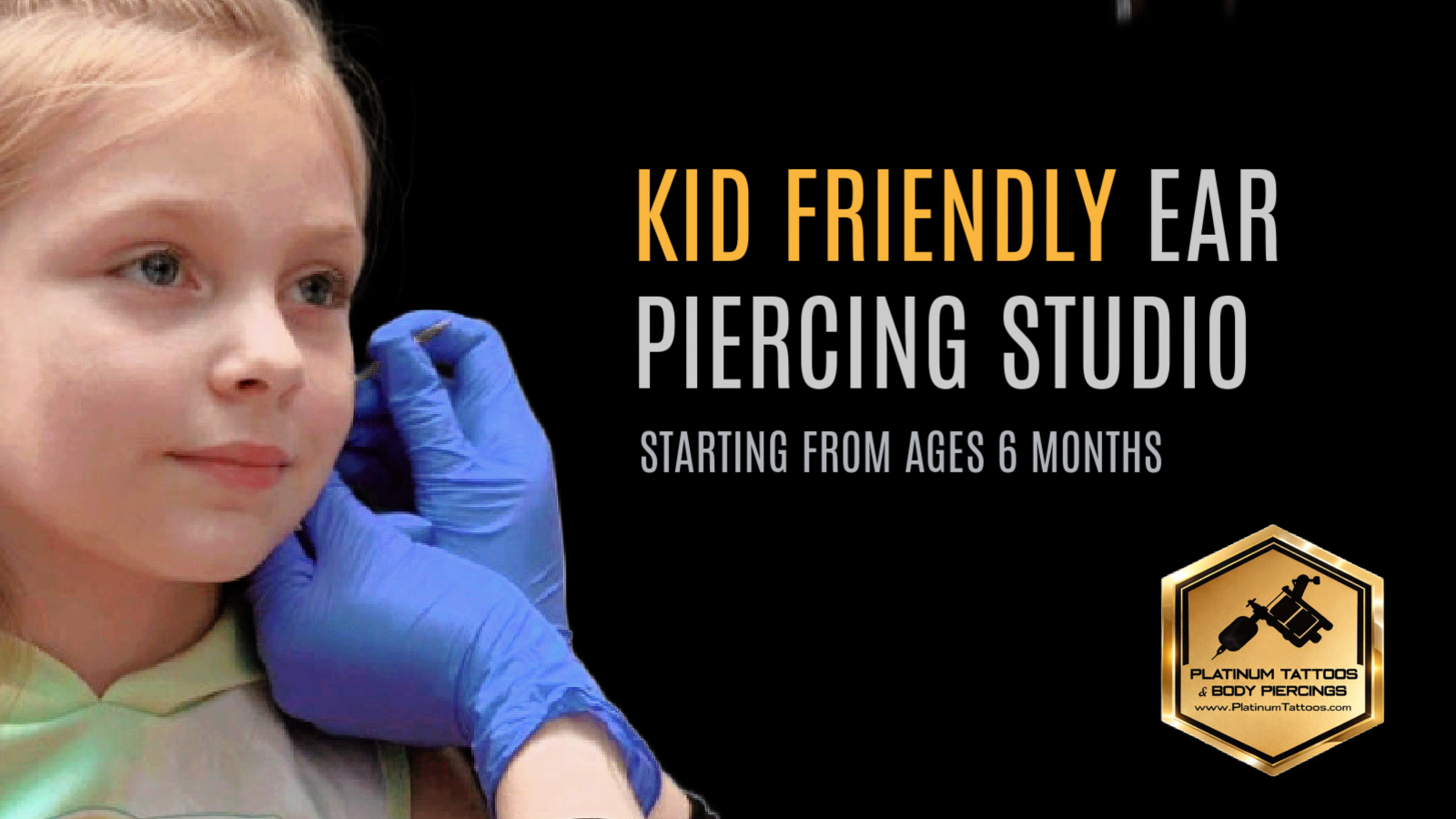
Why a Professional Ear Piercing Shop in San Antonio Matters
Not all ear piercings are created equal. The studio’s sterilization, technique, jewelry quality, and the piercer’s experience directly impact comfort, swelling, and whether your piercing heals smoothly or becomes a constant problem.
Safety & Hygiene: What professionals do differently
- 1 Autoclave sterilization for tools and jewelry, plus routine spore testing to verify sterilization is working.
- 2 Single-use sterile needles for clean, precise piercings (no blunt-force piercing guns).
- 3 Anatomy-based placement so your conch, helix, daith, rook, and industrial sit correctly and heal correctly.
Our team includes Noah (25 years), Mingo (25 years), Crystal (8 years), Harley (5 years), and Jay-cee (3 years) — that’s over 60 years combined in professional piercing experience.
Ear Piercing Services We Offer in San Antonio
Whether you want something clean and classic or you’re building a full “curated ear,” our professional ear piercers in San Antonio will match placement to your anatomy and lifestyle.
- ✓Lobes (single, doubles, and stacked)
- ✓Cartilage + Helix + Forward Helix
- ✓Inner & Outer Conch
- ✓Daith + Rook + Flat
- ✓Tragus + Anti-Tragus
- ✓Industrial / Scaffold (anatomy-dependent)
What to Expect at Your Ear Piercing Appointment
Here’s how a professional ear piercing appointment typically goes — no surprises, no pressure, just clean work and clear education.
- 1Consultation: goals, placement options, pricing transparency.
- 2Anatomy check: we confirm your ear structure supports the piercing safely.
- 3Jewelry selection: implant-grade titanium or solid gold upgrades.
- 4Sterile procedure: clean setup, precise placement, professional technique.
- 5Aftercare plan: what to do, what to avoid, and what “normal healing” looks like.
Healing Times & Aftercare (The Part That Makes or Breaks It)
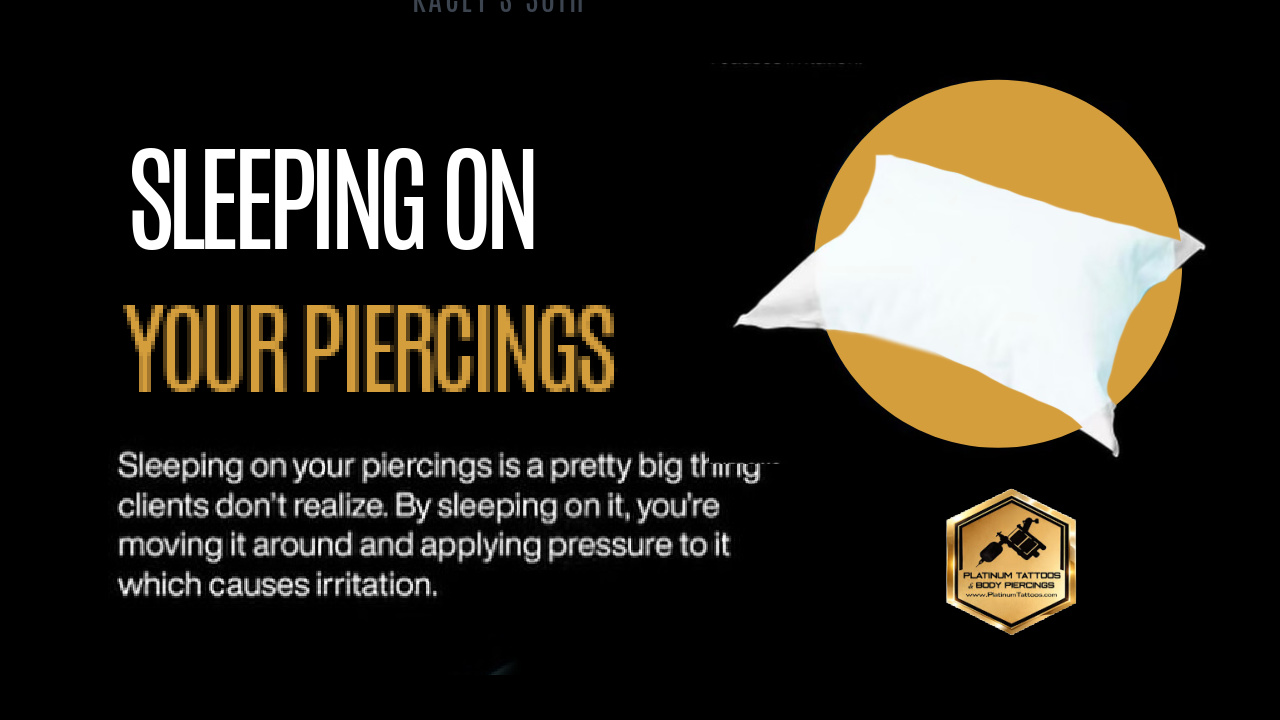
Getting pierced is the easy part. Healing is where most people accidentally sabotage themselves — sleeping on it, over-cleaning, touching it, or wearing pressure-heavy accessories.
Healing timeline (typical ranges)
| Piercing | Typical Healing | Notes |
|---|---|---|
| Lobes | 6–8 weeks (full maturation longer) | Still be gentle — “feels fine” doesn’t always mean “fully healed.” |
| Helix / Cartilage | 4–9 months | Avoid sleeping on it; pressure causes irritation bumps. |
| Conch / Daith / Rook | 6–12 months | Longer healing; keep it clean and hands off. |
| Industrial | Up to 12 months | Anatomy matters a lot — placement must be correct to heal well. |
Healing varies by anatomy, lifestyle, and aftercare consistency. If something feels “worse over time,” don’t guess — get checked by a professional.
Aftercare Do’s
- ✓Clean 2x daily with sterile saline.
- ✓Wash hands before touching your piercing.
- ✓Sleep on a clean pillowcase (and avoid pressure on the piercing).
- ✓Stay hydrated and get good sleep — your body heals better when you do.
Aftercare Don’ts
- ×Don’t twist or rotate jewelry.
- ×Don’t use alcohol, peroxide, ointments, or harsh soaps.
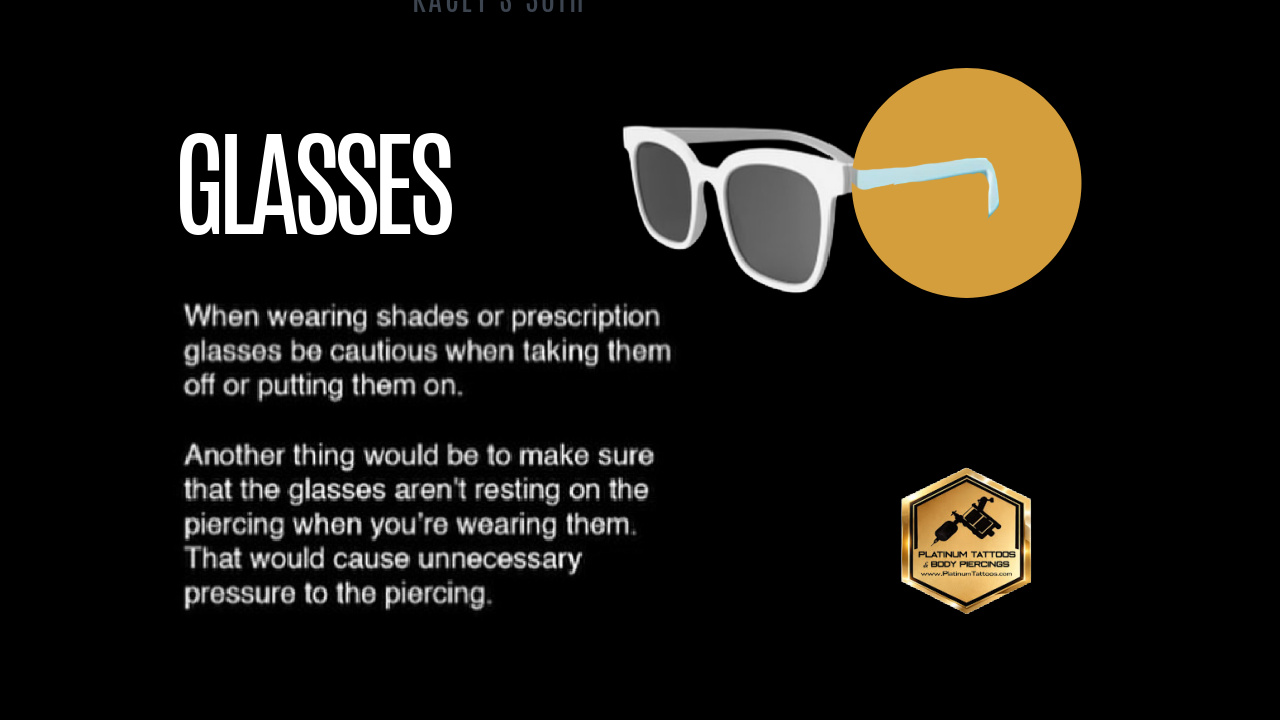
- ×Don’t let glasses/headphones press on a healing piercing.
- ×Don’t sleep directly on it (especially cartilage).
Video: Aftercare
Piercing Bumps, “Keloids,” and Infections: What to Do
Most “mystery bumps” are irritation bumps — not keloids. Pressure, sleeping on it, low-quality jewelry, and over-cleaning are the usual culprits. True keloids are genetic and less common.
- 1If it’s angry and swollen: reduce pressure (sleeping, glasses, headphones), keep cleaning simple, hands off.
- 2If pain increases over time: stop guessing and come in for a professional check.
- 3If you see heat, spreading redness, or heavy discharge: get assessed ASAP.
We don’t make medical guarantees online — but we do give honest, professional guidance when you come in.
Jewelry Quality: Implant-Grade Titanium + Gold Upgrades
Jewelry quality isn’t a “luxury add-on” — it’s part of healing. We use medical-grade implant titanium and offer 14k & 18k gold upgrades so you can heal safer and look better long-term.


Why clients choose these materials
- ✓Lower irritation risk for sensitive ears
- ✓Better long-term comfort and easier cleaning
- ✓Cleaner healing with fewer “mystery reactions”
FAQ: Ear Piercings in San Antonio
Do you use piercing guns?
No. We use sterile single-use needles for cleaner, more precise piercings. Piercing guns use blunt force and can increase trauma — especially in cartilage.
What jewelry is best for sensitive ears?
Implant-grade titanium is typically the best starting point for sensitive ears because it’s body-safe and less likely to trigger irritation.
How long does healing take?
Lobes commonly heal in about 6–8 weeks (full maturation longer). Cartilage and specialty piercings can take 4–12 months depending on placement and aftercare.
What is the safest place to get your ears pierced?
A professional piercing studio that uses sterile needles, autoclave sterilization, implant-grade jewelry, and anatomy-based placement — not a kiosk using a piercing gun.
What should I avoid after an ear piercing?
Avoid sleeping on it, twisting jewelry, harsh products (alcohol/peroxide/ointments), and pressure from glasses, headphones, or tight masks.
How do I choose the right piercer?
Look for experience, cleanliness, sterilization standards, jewelry quality, and a piercer who explains healing clearly instead of rushing you.
Ready for a clean, professional ear piercing in San Antonio?
Walk in for a professional consult, choose your jewelry, and get placed by experienced piercers who actually care about healing. If you found us searching ear piercing near me, you’re in the right spot.
Minor policy reminder: Valid ID required. Minors must be accompanied by a parent/legal guardian. Availability may vary for walk-ins.