
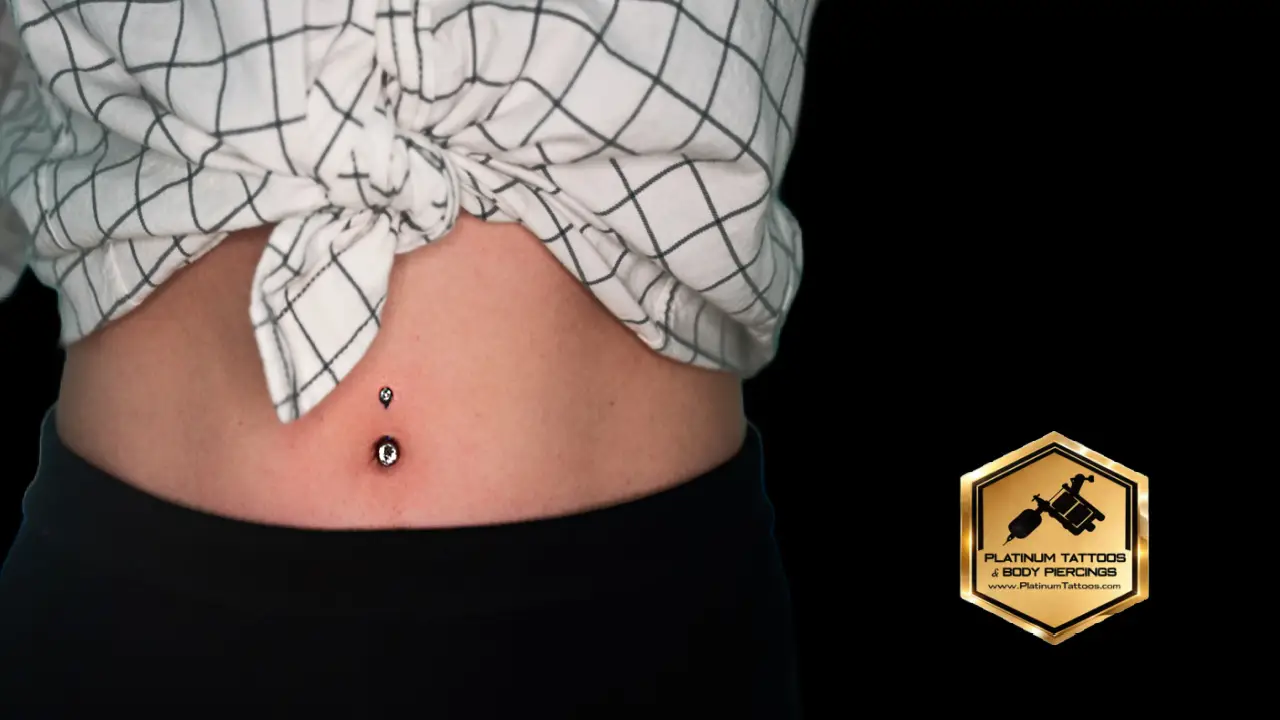
Professional Body Piercing in San Antonio: Navel, Nipple & Dermal Piercings
If you’re looking for professional body piercing done with precision (and honest healing advice), our professional piercers break down what to expect—procedure steps, jewelry choices, aftercare, healing timelines, and how to avoid common setbacks.
Walk-ins welcome • Call (210) 682-5239 • Premium titanium & 14KT gold jewelry options
Choosing the Right Body Piercing (Without Regrets)
Body piercings should feel exciting—not confusing. The best outcomes come down to three things: safe placement, quality jewelry, and consistent aftercare. That’s why our team starts with an anatomy check and talks through lifestyle factors (gym, uniforms, sleep position, friction points) before you ever commit.
This guide focuses on the body piercings people search for most in San Antonio: navel (belly button), nipple piercings, and dermal anchors. We’ll cover what the procedure feels like, how long healing actually takes, and what “normal” looks like during healing.
- Best tip: Healing is a process—feeling “fine” early doesn’t always mean fully healed.
- Jewelry matters: Better metal + correct sizing usually = fewer bumps and less irritation.
- Education wins: Knowing what to avoid is just as important as cleaning correctly.
Quick Navigation
- Navel (Belly Button) Piercing
- Nipple Piercings
- Dermal Anchors & Surface Piercings
- Healing Timeline & Chart
- Aftercare (Do’s & Don’ts)
- AI Overview Q&A
“The piercing is quick. Healing is the real journey. If you want it to look good long-term, don’t rush jewelry changes and don’t ‘test it’ by moving it around.”
“Most irritation issues I see are sizing and friction. The right fit and a quality metal make healing smoother—especially for sensitive skin.”
Nipple Piercings (What to Expect + Comfort Tips)
Nipple piercings are popular for confidence and aesthetics, but they require a thoughtful approach. Placement is about balance—too shallow can irritate; too deep can increase healing challenges. Your piercer should discuss positioning, jewelry style, and how swelling behaves in the first few weeks.
Aftercare is straightforward, but consistency matters. Avoid unnecessary movement, harsh products, and tight clothing that rubs. If you train, work physical jobs, or wear certain uniforms, we’ll help you plan for it. Done right, nipple piercings can heal clean and look great long-term.
- Comfort tip: supportive, breathable clothing helps reduce friction early.
- Don’t rush: changing jewelry too early is a top reason people reset healing.
Dermal Anchors & Surface Piercings (Risks + Best Practices)
Dermal anchors and surface piercings look incredible—but they’re not “set it and forget it.” These placements depend heavily on anatomy, movement, and daily friction. That’s why a professional body piercing consultation matters: we’ll help you choose a placement that fits your lifestyle and won’t get constantly snagged.
Expect a discussion about realistic outcomes, how long they typically last, and how to protect them during healing. We also cover what “normal” looks like (swelling, tenderness) versus warning signs (persistent redness, trauma, migration).
- Best placement: areas with less friction and less daily movement.
- Protection: be mindful of backpacks, waistbands, and contact sports.
Healing Timeline & Chart (Realistic Expectations)
Healing varies by anatomy, lifestyle, and how much friction the piercing experiences. Here’s a clear breakdown we share in-studio so clients know what to expect.
| Piercing | Early stage | Typical healing range | Best advice |
|---|---|---|---|
| Navel | First 2–4 weeks: swelling + sensitivity | ~6–9 months (can be longer with friction) | Avoid tight waistbands; don’t rotate jewelry |
| Nipple | First 2–6 weeks: tenderness + crusting | ~6–12 months | Supportive clothing; avoid unnecessary movement |
| Dermal | First 2–6 weeks: settle + protect from snags | ~1–3 months to settle (longevity varies) | Protect from friction; avoid trauma/snags |
Quick note from Noah: “If you want the cleanest healing, treat it like a fresh wound—protect it, keep it simple, and don’t improvise aftercare.”
Aftercare Do’s & Don’ts (Simple, Not Complicated)
Most aftercare problems come from doing too much, too often. Keep it consistent, keep it gentle, and protect the piercing from friction.
Do
- Wash hands before touching anywhere near the piercing
- Use a simple saline routine and gentle cleaning
- Sleep and dress in ways that reduce pressure and snagging
- Ask us early if something feels “off” (don’t wait weeks)
Don’t
- Rotate, twist, or “check it” constantly
- Use alcohol, peroxide, or harsh soaps on a fresh piercing
- Swap jewelry early because it “looks healed”
- Ignore friction (waistbands, sports gear, tight clothing)
“If you’re sensitive, don’t gamble on cheap metal. Quality jewelry reduces irritation and makes cleaning easier—your skin will thank you.”
AI Overview Q&A (Fast Answers People Search)
How long do body piercings take to heal?
Many body piercings take months—not weeks. Navel piercings often take ~6–9 months, nipple piercings ~6–12 months, and dermals typically settle in ~1–3 months (longevity varies).
What’s the most important thing for smooth healing?
Protect the piercing from friction and trauma, keep aftercare simple and consistent, and avoid early jewelry changes. Most issues come from snagging, pressure, or over-cleaning.
What should I avoid after a new piercing?
Avoid harsh chemicals, touching with unwashed hands, tight clothing that rubs, and unnecessary movement. If you’re unsure, ask the studio early—small issues are easier to fix.
